
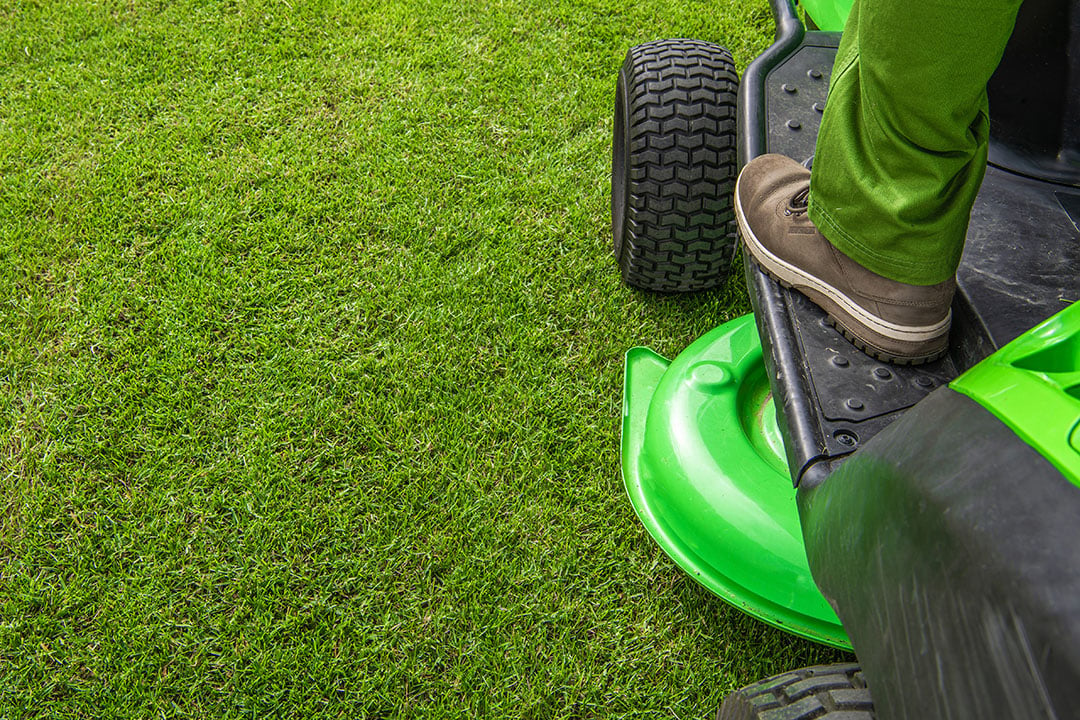
Maintaining a lush, green lawn requires more than just regular mowing and watering. To keep your lawn looking its best, it’s essential to take care of the soil beneath it as well. One of the most effective ways to do this is by using soil maintenance attachments for your lawn mower. These attachments are designed to not only cut and trim your grass, but also to aerate, dethatch, and fertilize your soil. In this guide, we will explore the different types of soil maintenance attachments available for lawn mowers and provide you with a comprehensive understanding of how to use them effectively to achieve a healthy and vibrant lawn.
Whether you’re a homeowner looking to improve your lawn’s appearance or a professional landscaper looking to provide top-notch services to your clients, this guide is an essential resource for anyone interested in soil maintenance.
Aerator Attachment for Lawn Mowers
An aerator attachment for a lawn mower is a tool that is used to create small holes in the soil, allowing air, water, and nutrients to reach the roots of your grass. This is an essential step in maintaining a healthy lawn, as it helps to prevent soil compaction and allows your grass to grow stronger and healthier.
Types of Aerator Attachments
There are two main types of aerator attachments for lawn mowers: plug aerators and spike aerators.
Plug aerators: These attachments remove small plugs of soil from the ground, creating holes that allow air, water, and nutrients to reach the roots of your grass. Plug aerators are typically more effective than spike aerators, as they remove more soil and create larger holes.
Spike aerators: These attachments create small holes in the soil by pushing spikes into the ground. Spike aerators are less effective than plug aerators, as they remove less soil and create smaller holes.
When to Use an Aerator Attachment
The best time to use an aerator attachment for your lawn mower is in the spring or fall, when the soil is moist and the grass is actively growing. It’s important to avoid aerating during periods of drought or extreme heat, as this can damage your lawn.
How to Use an Aerator Attachment
- Start by mowing your lawn to a shorter than usual height. This will make it easier to see the holes created by the aerator and will also make it easier for the grass to recover.
- Set the aerator attachment on your lawn mower and adjust the depth to your desired setting.
- Begin aerating your lawn by making passes over the soil in a grid pattern. Make sure to overlap each pass to ensure that all areas are covered.
- After aerating, remove any soil plugs or debris left behind by the attachment.
- Water your lawn thoroughly to help the soil plugs settle and to provide extra moisture to your grass.
- Finally, fertilize your lawn to help it recover and to promote healthy growth.
Regularly aerating your lawn with an aerator attachment for your lawn mower can help to prevent soil compaction, promote healthy grass growth, and improve the overall appearance of your lawn. It’s an essential step in maintaining a healthy and vibrant lawn and should be done at least once a year.
Note: Always refer to the manufacturer’s instructions for proper use of the aerator attachment for your specific lawn mower.
Dethatcher Attachment for Lawn Mowers
A dethatcher attachment for a lawn mower is a tool that is used to remove the layer of dead grass and other debris that accumulates on top of the soil, also known as thatch. Thatch buildup can prevent air, water, and nutrients from reaching the roots of your grass, leading to a weak and unhealthy lawn.
Types of Dethatcher Attachments
There are two main types of dethatcher attachments for lawn mowers: power rakes and spring tine rakes.
Power rakes: These attachments use rotating blades to remove thatch from the soil. Power rakes are typically more effective than spring tine rakes, as they can remove more thatch in a shorter amount of time.
Spring tine rakes: These attachments use a series of spring-loaded tines to remove thatch from the soil. Spring tine rakes are less effective than power rakes, but they are also less aggressive and are less likely to damage the soil.
When to Use a Dethatcher Attachment
The best time to use a dethatcher attachment for your lawn mower is in the spring, when the grass is actively growing and the soil is moist. It’s important to avoid dethatching during periods of drought or extreme heat, as this can damage your lawn.
How to Use a Dethatcher Attachment
- Start by mowing your lawn to a shorter than usual height. This will make it easier to see the thatch removed by the dethatcher and will also make it easier for the grass to recover.
- Set the dethatcher attachment on your lawn mower and adjust the depth to your desired setting.
- Begin dethatching your lawn by making passes over the soil in a grid pattern. Make sure to overlap each pass to ensure that all areas are covered.
- After dethatching, remove any thatch or debris left behind by the attachment.
- Water your lawn thoroughly to help the soil settle and to provide extra moisture to your grass.
- Finally, fertilize your lawn to help it recover and to promote healthy growth.
Regularly dethatching your lawn with a dethatcher attachment for your lawn mower can help to prevent thatch buildup, promote healthy grass growth, and improve the overall appearance of your lawn. It’s an essential step in maintaining a healthy and vibrant lawn and should be done at least once a year.
Note: Always refer to the manufacturer’s instructions for proper use of the dethatcher attachment for your specific lawn mower. Also, it’s important to not overuse the dethatcher, as it can damage the soil and the grass root if it’s too aggressive.
Cultivator Attachment for Lawn Mowers
A cultivator attachment for a lawn mower is a tool that is used to break up compacted soil and to remove weeds and other unwanted plants from your lawn. It works by using a series of rotating tines to dig into the soil, breaking up clumps and removing unwanted plants.
Types of Cultivator Attachments
There are two main types of cultivator attachments for lawn mowers: single-wheeled cultivators and multi-wheeled cultivators.
Single-wheeled cultivators: These attachments are designed to be used on smaller lawns and gardens. They have a single wheel that is used to pull the cultivator through the soil.
Multi-wheeled cultivators: These attachments are designed for use on larger lawns and gardens. They have multiple wheels that are used to pull the cultivator through the soil.
When to Use a Cultivator Attachment
The best time to use a cultivator attachment for your lawn mower is in the spring or fall, when the soil is moist and the grass is actively growing. It’s important to avoid cultivating during periods of drought or extreme heat, as this can damage your lawn.
How to Use a Cultivator Attachment
- Start by mowing your lawn to a shorter than usual height. This will make it easier to see the soil and weeds removed by the cultivator and will also make it easier for the grass to recover.
- Set the cultivator attachment on your lawn mower and adjust the depth to your desired setting.
- Begin cultivating your lawn by making passes over the soil in a grid pattern. Make sure to overlap each pass to ensure that all areas are covered.
- After cultivating, remove any weeds or debris left behind by the attachment.
- Water your lawn thoroughly to help the soil settle and to provide extra moisture to your grass.
- Finally, fertilize your lawn to help it recover and to promote healthy growth.
Regularly cultivating your lawn with a cultivator attachment for your lawn mower can help to prevent soil compaction, remove unwanted plants, and improve the overall appearance of your lawn. It’s an essential step in maintaining a healthy and vibrant lawn and should be done at least once a year.
Note: Always refer to the manufacturer’s instructions for proper use of the cultivator attachment for your specific lawn mower. Also, it’s important to not overuse the cultivator, as it can damage the soil and the grass root if it’s too aggressive.
Disk Harrow Attachment for Lawn Mowers
A disk harrow attachment for a lawn mower is a tool that is used to break up and level the soil, preparing it for planting or seeding. It works by using a series of rotating disks to dig into the soil, breaking up clumps and creating a smooth, even surface.
Types of Disk Harrow Attachments
There are two main types of disk harrow attachments for lawn mowers: single-gang disk harrows and multi-gang disk harrows.
Single-gang disk harrows: These attachments are designed to be used on smaller lawns and gardens. They have a single set of disks that are used to break up the soil.
Multi-gang disk harrows: These attachments are designed for use on larger lawns and gardens. They have multiple sets of disks that are used to break up the soil.
When to Use a Disk Harrow Attachment
The best time to use a disk harrow attachment for your lawn mower is in the fall, after the growing season has ended and before the ground freezes. This will allow the soil to settle over the winter and be ready for planting or seeding in the spring.
How to Use a Disk Harrow Attachment
- Start by mowing your lawn to a shorter than usual height. This will make it easier to see the soil after it’s been broken up by the disk harrow.
- Set the disk harrow attachment on your lawn mower and adjust the depth to your desired setting.
- Begin using the disk harrow on your lawn by making passes over the soil in a grid pattern. Make sure to overlap each pass to ensure that all areas are covered.
- After using the disk harrow, remove any debris left behind by the attachment.
- Water your lawn thoroughly to help the soil settle and to provide extra moisture to your grass.
- Finally, fertilize your lawn to help it recover and to promote healthy growth.
Regularly using a disk harrow attachment for your lawn mower can help to prevent soil compaction, level the soil, and prepare it for planting or seeding. It’s an essential step in maintaining a healthy and vibrant lawn and should be done at least once a year.
Note: Always refer to the manufacturer’s instructions for proper use of the disk harrow attachment for your specific lawn mower. Also, it’s important to use the disk harrow attachment at the appropriate time to avoid damaging the soil or the grass roots.
Roller Attachment for Lawn Mowers
A roller attachment for a lawn mower is a tool that is used to create a smooth, even surface on your lawn. It works by using a cylindrical drum to press down on the soil, smoothing out any bumps or uneven areas. Rollers can also be filled with water or sand to add weight and increase the effectiveness of the attachment.
Types of Roller Attachments
There are two main types of roller attachments for lawn mowers: empty rollers and weighted rollers.
Empty rollers: These attachments are designed to be used on smaller lawns and gardens. They are typically made of a lightweight material and are used to press down on the soil.
Weighted rollers: These attachments are designed for use on larger lawns and gardens. They are typically made of a heavy-duty material and are filled with water or sand to add weight.
When to Use a Roller Attachment
The best time to use a roller attachment for your lawn mower is after you have used a disk harrow or other soil-working attachment. This will help to level and smooth out the soil, creating a surface that is ready for planting or seeding.
How to Use a Roller Attachment
- Start by mowing your lawn to a shorter than usual height. This will make it easier to see the soil after it’s been rolled and will also make it easier for the grass to recover.
- Set the roller attachment on your lawn mower and adjust the depth to your desired setting.
- Begin using the roller on your lawn by making passes over the soil in a grid pattern. Make sure to overlap each pass to ensure that all areas are covered.
- After using the roller, remove any debris left behind by the attachment.
- Water your lawn thoroughly to help the soil settle and to provide extra moisture to your grass.
- Finally, fertilize your lawn to help it recover and to promote healthy growth.
Regularly using a roller attachment for your lawn mower can help to level and smooth out your lawn, creating a surface that is ready for planting or seeding. It’s an essential step in maintaining a healthy and vibrant lawn and should be done at least once a year.
Note: Always refer to the manufacturer’s instructions for proper use of the roller attachment for your specific lawn mower. Also, it’s important to use the roller attachment at the appropriate time, after the soil has been worked, to avoid damaging the soil or the grass roots.
Lawn Stripper Attachment for Lawn Mowers
A lawn stripper attachment for a lawn mower is a tool that is used to remove a thick layer of thatch from your lawn. This layer of thatch is made up of dead grass, leaves, and other debris that accumulates on top of the soil. When thatch builds up, it can prevent air, water, and nutrients from reaching the roots of your grass, leading to a weak and unhealthy lawn.
Types of Lawn Stripper Attachments
There are two main types of lawn stripper attachments for lawn mowers: manual lawn strippers and powered lawn strippers.
Manual lawn strippers: These attachments are designed to be used by hand. They typically have a series of blades or tines that are used to remove thatch from the lawn.
Powered lawn strippers: These attachments are designed to be used with a lawn mower. They typically have a series of blades or tines that are powered by the lawn mower’s engine and are used to remove thatch from the lawn.
When to Use a Lawn Stripper Attachment
The best time to use a lawn stripper attachment for your lawn mower is in the spring, when the grass is actively growing and the soil is moist. It’s important to avoid using a lawn stripper during periods of drought or extreme heat, as this can damage your lawn.
How to Use a Lawn Stripper Attachment
- Start by mowing your lawn to a shorter than usual height. This will make it easier to see the thatch removed by the lawn stripper and will also make it easier for the grass to recover.
- Set the lawn stripper attachment on your lawn mower and adjust the depth to your desired setting.
- Begin using the lawn stripper on your lawn by making passes over the soil in a grid pattern. Make sure to overlap each pass to ensure that all areas are covered.
- After using the lawn stripper, remove any thatch or debris left behind by the attachment.
- Water your lawn thoroughly to help the soil settle and to provide extra moisture to your grass.
- Finally, fertilize your lawn to help it recover and to promote healthy growth.
Regularly using a lawn stripper attachment for your lawn mower can help to prevent thatch buildup, promote healthy grass growth, and improve the overall appearance of your lawn. It’s an essential step in maintaining a healthy and vibrant lawn and should be done at least once a year.
Note: Always refer to the manufacturer’s instructions for proper use of the lawn stripper attachment for your specific lawn mower. Also, it’s important to not overuse the lawn stripper, as it can damage the soil and the grass root if it’s too aggressive.
Verticutting Attachment for Lawn Mowers
A verticutting attachment for a lawn mower is a tool that is used to create small grooves in the soil, allowing air, water, and nutrients to reach the roots of your grass. It works by using a series of rotating blades or tines to cut into the soil, creating small channels that help to break up compaction and promote healthy growth.
Types of Verticutting Attachments
There are two main types of verticutting attachments for lawn mowers: manual verticutters and powered verticutters.
Manual verticutters: These attachments are designed to be used by hand. They typically have a series of blades or tines that are used to create grooves in the soil.
Powered verticutters: These attachments are designed to be used with a lawn mower. They typically have a series of blades or tines that are powered by the lawn mower’s engine and are used to create grooves in the soil.
When to Use a Verticutting Attachment
The best time to use a verticutting attachment for your lawn mower is in the spring or fall, when the soil is moist and the grass is actively growing. It’s important to avoid verticutting during periods of drought or extreme heat, as this can damage your lawn.
How to Use a Verticutting Attachment
- Start by mowing your lawn to a shorter than usual height. This will make it easier to see the grooves created by the verticutting attachment and will also make it easier for the grass to recover.
- Set the verticutting attachment on your lawn mower and adjust the depth to your desired setting.
- Begin verticutting your lawn by making passes over the soil in a grid pattern. Make sure to overlap each pass to ensure that all areas are covered.
- After verticutting, remove any debris left behind by the attachment.
- Water your lawn thoroughly to help the soil settle and to provide extra moisture to your grass.
- Finally, fertilize your lawn to help it recover and to promote healthy growth.
Regularly verticutting your lawn with a verticutting attachment for your lawn mower can help to prevent soil compaction, improve the health and appearance of your lawn and make it more resistant to pests and diseases. It’s an essential step in maintaining a healthy and vibrant lawn and should be done at least once a year.
Note: Always refer to the manufacturer’s instructions for proper use of the verticutting attachment for your specific lawn mower. Also, it’s important to not overuse the verticutting, as it can damage the soil and the grass root if it’s too aggressive. It’s also important to select the right blades or tines for your lawn’s grass type, as different grass types have different needs.