

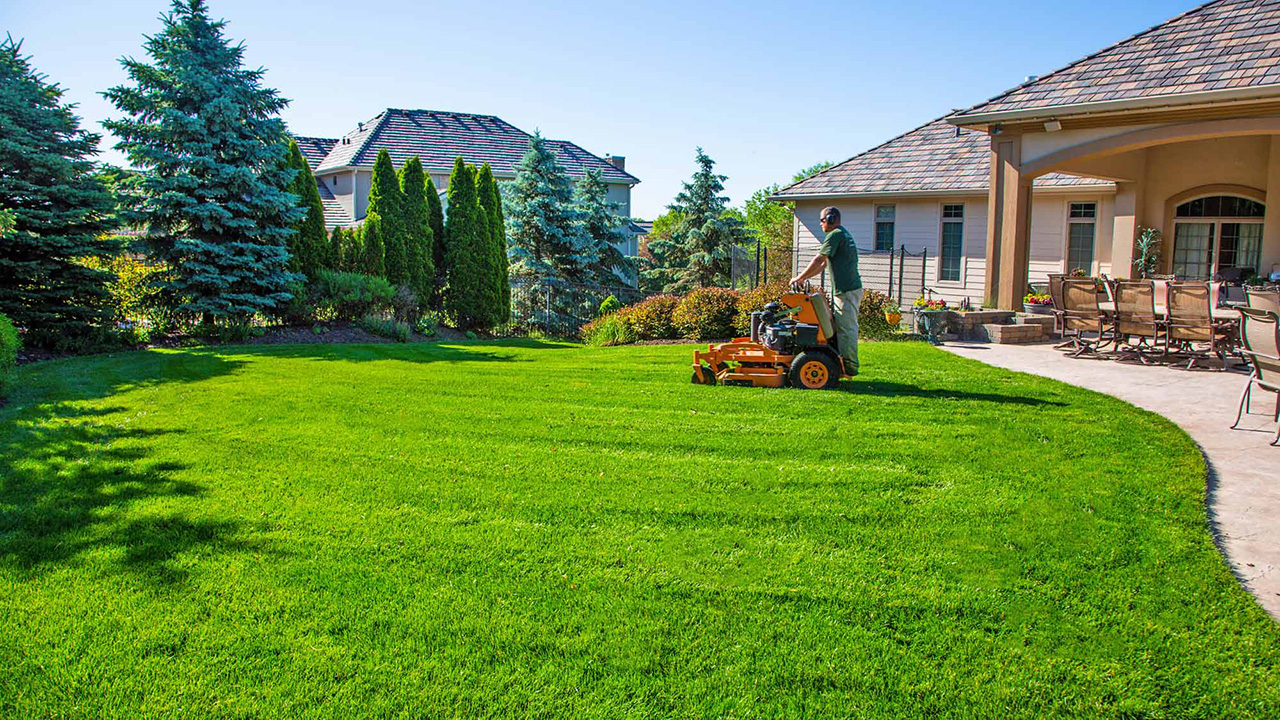
A well-maintained lawn is more than just a personal pride or a beautiful retreat. It’s a responsible stewardship of the environment. The green grass of a lush lawn not only increases the aesthetic appeal of your home but also contributes to the community’s well-being and the local ecology. However, achieving and maintaining such a lawn requires a year-round commitment. As seasons change, so do the needs of your lawn. From the fresh growth of spring to the dormancy in the winter, each season presents a unique set of challenges and opportunities for lawn care.
The importance of year-round lawn care cannot be overstated. A healthy lawn is capable of soil erosion control, oxygen production, carbon dioxide absorption, and groundwater recharge. It also provides a habitat for beneficial organisms and acts as a natural cooler during hot summers.
Benefits of Proper Lawn Maintenance:
- Aesthetic Appeal: A well-maintained lawn is visually pleasing and enhances the curb appeal of your home. It provides a lush, green space for relaxation and recreation.
- Increased Property Value: A beautiful lawn can significantly increase the property value. Prospective buyers often see a well-kept lawn as a reflection of a well-maintained home.
- Environmental Benefits: Lawns act as a natural filter for rainwater and help in reducing runoff, besides promoting soil health and supporting a variety of life forms.
Different seasons call for different lawn care routines. The tasks that you perform in spring will prepare your lawn for the harsher conditions of summer and the dormancy of winter. Similarly, your fall lawn care routine will help in rejuvenating the grass and ensuring its good health for the following growing season. Hence, understanding the seasonal needs of your lawn and adapting your care routine accordingly is crucial for maintaining a lush, healthy lawn throughout the year.
In this comprehensive guide, we will discuss the following topics to help you maintain a lush and healthy lawn through every season:
Understanding Your Lawn
A firm grasp of the basics of your lawn forms the bedrock of effective lawn care across all seasons. This understanding transcends mere aesthetics, diving into the ecological and biological aspects that contribute to a lush, green space. Here’s a deeper look into the intrinsic aspects of your lawn:
Types of Grass (Warm-Season vs Cool-Season Grasses)
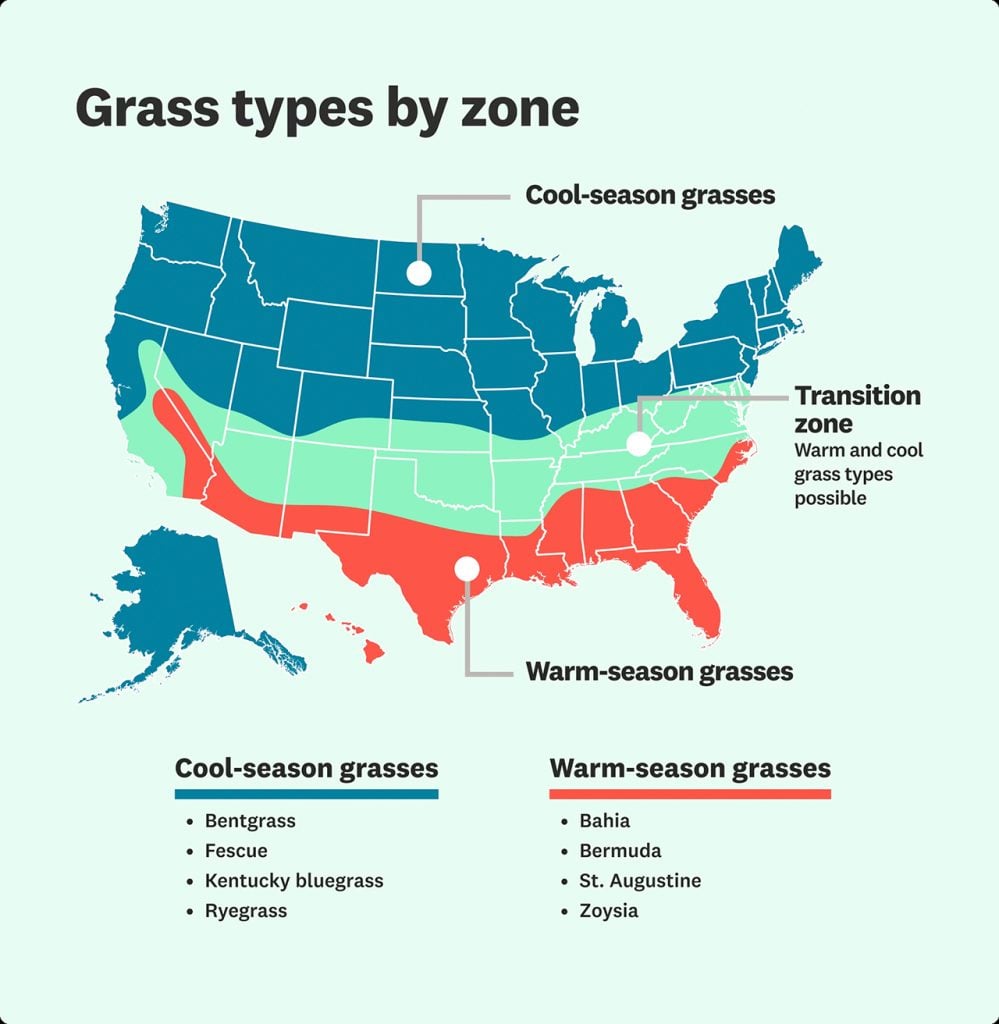
Warm-Season Grasses:
- Bermuda: Known for its exceptional heat tolerance and ability to withstand heavy use, Bermuda grass is a robust choice for lawns in warmer climates.
- Zoysia: This grass variety is cherished for its dense turf and resistance to weeds. Its tolerance to heat and drought conditions makes it a suitable choice for warm areas.
- St. Augustine: With a high tolerance for salt and shade, St. Augustine grass thrives in coastal regions.
- Bahia: Known for its drought tolerance and low maintenance, Bahia grass thrives in warmer regions with sandy or infertile soils, making it a practical choice for less fertile landscapes.
Cool-Season Grasses:
- Kentucky Bluegrass: A top choice for lawns in cooler climates due to its fine texture and rich color. It’s also known for its ability to self-repair from damage.
- Fescue: Fescue grasses are known for their drought tolerance and are often mixed with other grass types to enhance lawn durability and resistance to disease.
- Ryegrass: Renowned for its rapid germination rate and lush appearance, Ryegrass is often overseeded on Bermuda grass to maintain green color during cooler months.
- Bentgrass: Valued for its fine texture and lush appearance, Bentgrass is a preferred choice for cool climates, often finding its place in golf courses and well-manicured lawns. Its ability to tolerate close mowing makes it ideal for creating a carpet-like turf.
Soil Quality and pH Level
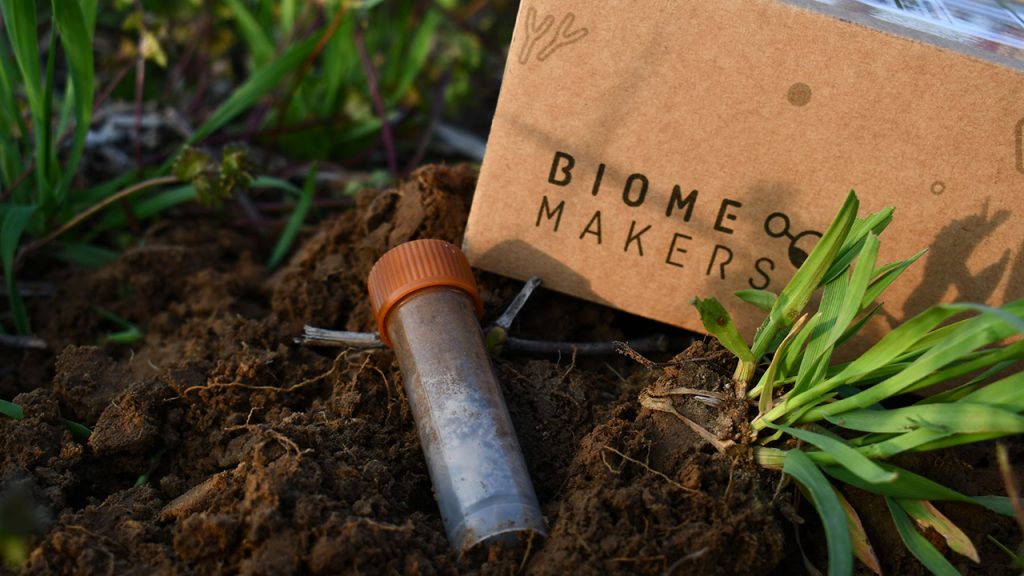
Soil Testing:
Utilize soil testing kits or local extension services to analyze the nutrient composition and pH level of your soil. This data is pivotal in tailoring a fertilization and amendment regimen for your lawn.
Improving Soil Quality:
- Organic Matter: Incorporating organic matter like compost or well-rotted manure can significantly improve soil structure and nutrient content.
- Soil Amendments: Based on soil test results, amend your soil with necessary minerals and nutrients to optimize growth conditions for your grass.
Common Lawn Problems (Weeds, Pests, Diseases)

Weeds:
Employ pre-emergent herbicides during early spring to combat weed germination. Regular mowing at the correct height also discourages weed growth and encourages a dense, healthy turf.
Pests and Diseases:
- Identification: Early identification of common pests and diseases is crucial. Utilize local extension services or online resources to diagnose and treat lawn problems promptly.
- Preventive Measures: Maintain a regular mowing, watering, and fertilization schedule to deter pests and diseases. Employing integrated pest management (IPM) strategies can also contribute to a healthier lawn with fewer pest issues.
Spring Lawn Care Tips
Spring heralds a period of renewal and growth, making it a pivotal time for lawn care. The practices adopted in spring lay the foundation for a healthy, lush lawn throughout the warmer months. Here are key actions to undertake during this rejuvenating season:
Cleaning and Debris Removal
- Initial Cleanup: Begin with a thorough cleanup to remove leaves, twigs, and other debris accumulated over the winter. This allows sunlight, water, and nutrients to reach the soil more easily.
- Dethatching: If thatch build-up is significant, a light dethatching may be necessary to promote better air circulation and water penetration.
Aerating the Soil
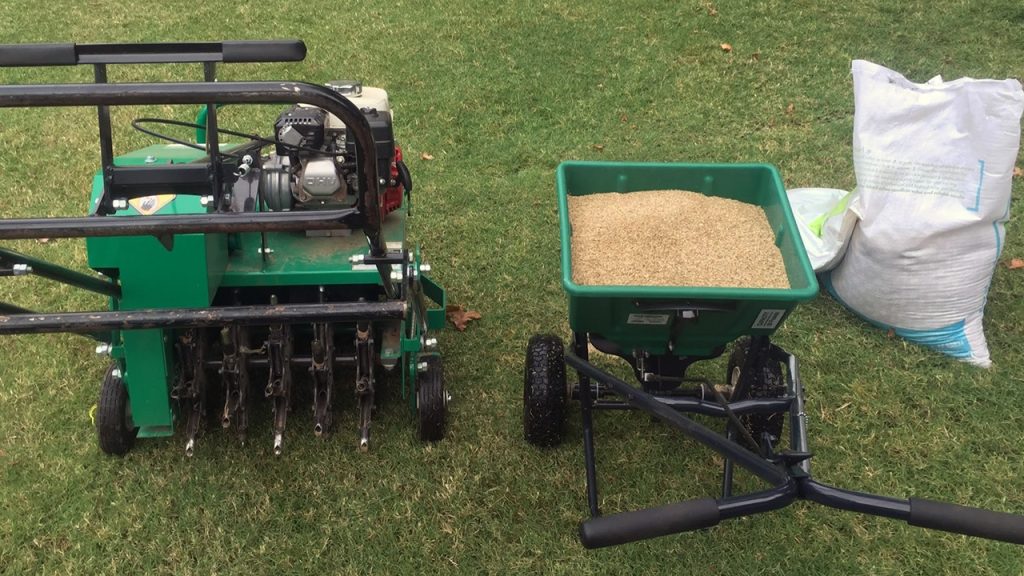
- Core Aeration: Core aeration removes small plugs of soil, allowing air, water, and nutrients to penetrate deeper into the soil, promoting a healthier root system.
- Benefits: Aeration alleviates soil compaction, enhances soil microbial activity, and sets the stage for overseeding or reseeding efforts.
Seeding or Overseeding
- Selecting the Right Grass Seed: Choose grass seed types that are well-suited to your region’s climate and soil conditions.
- Overseeding: If your lawn has bare spots or appears thin, overseeding can help to improve its density and appearance.
Fertilizing
- Spring Fertilization: Apply a balanced fertilizer to provide your lawn with the essential nutrients it needs for vigorous growth.
- Slow-Release Formulas: Consider using slow-release fertilizers that provide nutrients over a longer period, promoting sustained growth.
Mowing with Sharp Blades and at the Right Height
- Blade Sharpness: Ensure mower blades are sharp to make clean cuts, reducing stress on the grass.
- Mowing Height: Set your mower to a higher setting, usually around 3 to 3.5 inches, to encourage deeper root growth and shade out weeds.
Watering Schedule
- Watering Depth: Aim for deep, infrequent watering to encourage deeper root growth. Early morning is the best time to water your lawn to prevent evaporation and disease promotion.
- Watering Frequency: Adjust watering frequency based on weather conditions, ensuring your lawn receives about 1 to 1.5 inches of water per week.
Summer Lawn Care Tips
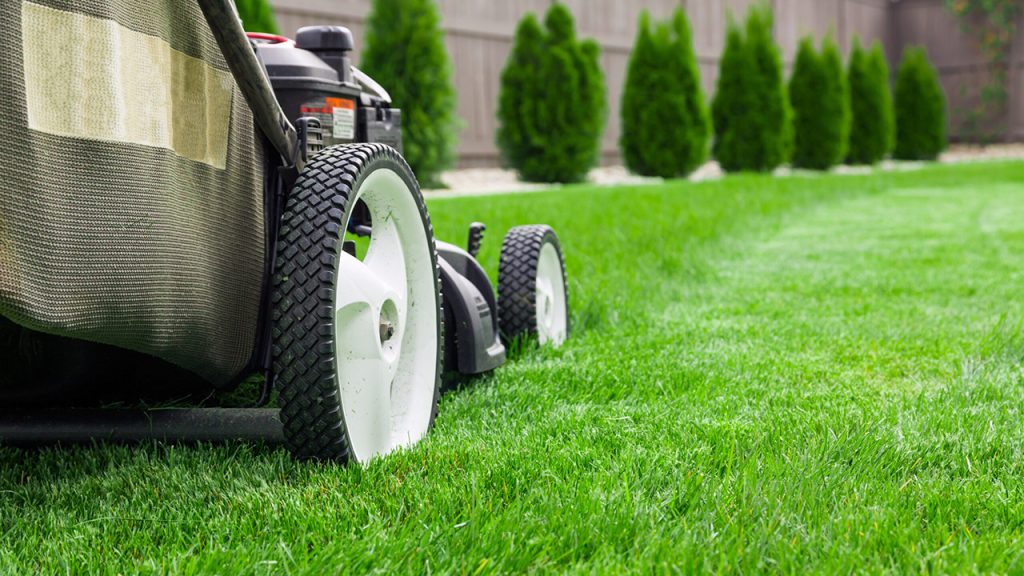
Summer, with its warm days, is a time when your lawn gets used the most. However, it also brings challenges like scorching temperatures and potential drought. Here’s how to keep your lawn thriving during the summer months:
Mowing at a Higher Setting
- Height Adjustment: Adjust the mowing height to around 3 to 4 inches to provide shade to the soil, reducing water evaporation and encouraging deeper root growth.
- Mulching Clippings: Leave grass clippings on the lawn to act as a natural mulch, providing extra moisture and nutrients.
Watering Deeply but Less Frequently
- Deep Watering: Aim to water your lawn deeply, allowing the soil to be moistened to a depth of about 6 inches, which encourages stronger root development.
- Early Morning Watering: Watering in the early morning reduces evaporation and helps to prevent fungal diseases.
Weed Control
- Regular Inspection: Inspect your lawn regularly for weeds and use an appropriate herbicide or manual removal techniques to keep them at bay.
- Pre-Emergent Herbicides: Apply pre-emergent herbicides to prevent weed seeds from germinating.
Insect and Pest Control
- Pest Identification: Identify and treat for common lawn pests like grubs and chinch bugs. Seek professional help if infestations are severe.
- Natural Predators: Encourage the presence of natural predators like birds and beneficial insects to help control pest populations.
Dethatching
If thatch has built up to more than 1/2 inch, summer is a good time for dethatching to improve water and nutrient penetration.
Fall Lawn Care Tips
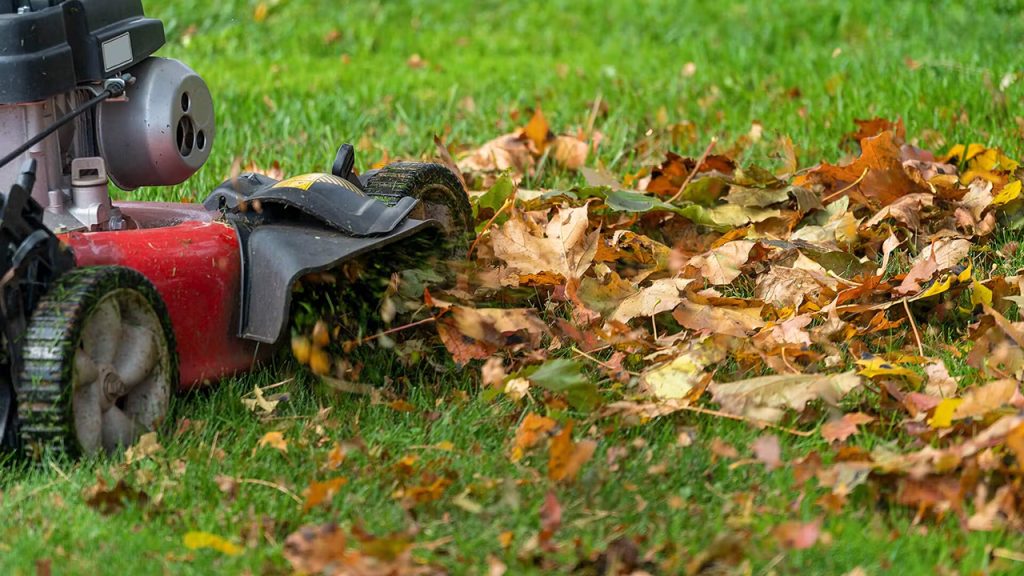
As summer transitions into fall, the cooler temperatures and frequent rainfall create an ideal environment for lawn rejuvenation. Fall is the time to repair the summer damage and prepare your lawn for the winter ahead. Here’s a comprehensive guide to fall lawn care:
Leaf Removal
- Regular Raking: Regularly rake or use a leaf blower to remove leaves and other debris from your lawn to prevent mold growth and other diseases.
- Mulching Leaves: Alternatively, use a mulching mower to shred leaves into fine particles that can decompose and provide nutrients to the soil.
Overseeding
- Covering Bare Spots: Overseed bare spots or thin areas of your lawn to promote a dense, lush turf that’s more resistant to weeds and diseases.
- Choosing the Right Seed: Select a grass seed variety that’s well-suited to your region and the specific conditions of your lawn.
Fertilizing
- Fall Fertilization: Apply a slow-release fertilizer rich in phosphorus and potassium to promote root growth and enhance disease resistance.
- Timing: Fertilize your lawn in early fall to provide the necessary nutrients for the upcoming colder months.
Aeration
- Core Aeration: If not done in the spring, fall is another excellent time for core aeration to alleviate soil compaction and improve nutrient uptake.
- Seeding Post-Aeration: Overseeding post-aeration allows the seed to have good soil contact, enhancing germination rates.
Lowering Mower Blade for Last Cut of the Season
For the last mow, lower the mower blade for the last cut of the season to about 2 to 2.5 inches to prevent snow mold and other winter diseases.
Winterizing Lawn Equipment
- Maintenance: Conduct maintenance on your lawn mower, trimmers, and other lawn equipment. Clean, sharpen, and store them properly to ensure they’re ready for the next season.
- Fuel Storage: Empty the fuel tanks or add a fuel stabilizer to prevent degradation over the winter.
Winter Lawn Care Tips
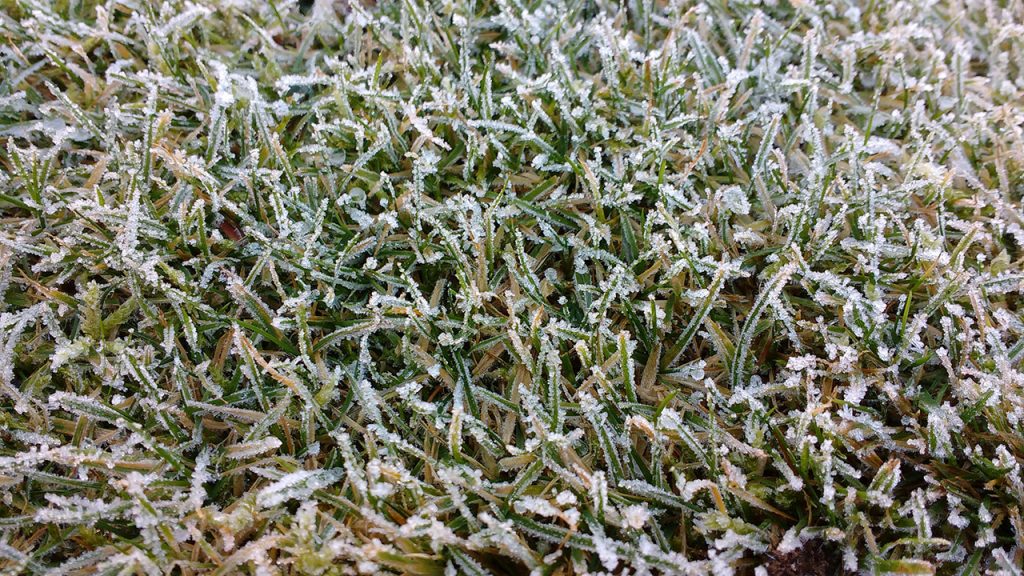
Winter, with its harsh conditions, is a period of dormancy for your lawn. However, proper preparation and maintenance during this season can ensure a healthy rebound in the spring. Here are the essential winter lawn care tips:
Keeping the Lawn Clear of Debris
- Routine Cleaning: Regularly remove leaves, twigs, and other debris to prevent mold, pests, and diseases that can hinder spring growth.
- Avoiding Snow Piles: Avoid piling snow on the lawn as it can lead to snow mold and other problems when the snow melts.
Avoiding Traffic on Frozen Lawn
Minimize foot traffic on your lawn during frost or snow to prevent damage to the grass and soil compaction.
Sharpening and Servicing Lawn Equipment
- Maintenance: Winter is an ideal time to service your lawn mower, sharpen blades, and perform any necessary repairs to ensure readiness for the spring season.
- Storage: Store your lawn equipment in a dry, clean, and secure area to protect it from the elements and ensure longevity.
Planning for the Next Growing Season
- Research: Utilize the quieter winter months to research new lawn care techniques, explore different types of lawn equipment, and plan for any lawn renovations.
- Lawn Care Calendar: Create a lawn care calendar for the upcoming year to stay on top of essential tasks and ensure a lush, healthy lawn year-round.
Lawn Equipment and Attachments
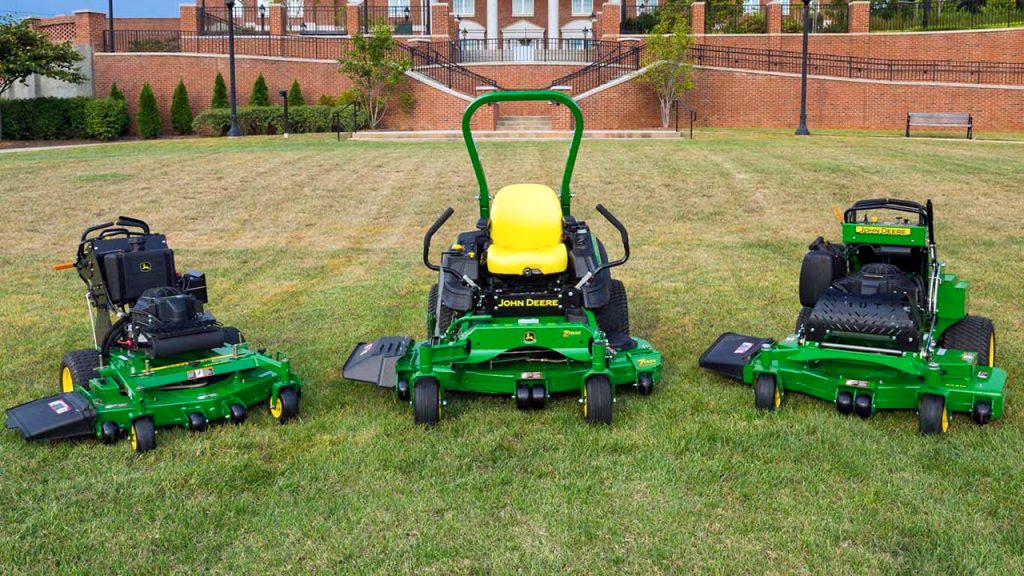
Having the right tools and equipment is pivotal for effective lawn care across all seasons. From mowers to various attachments, the choices you make can significantly impact the health and appearance of your lawn. Here’s a look into lawn equipment and attachments essential for year-round lawn care:
Importance of the Right Lawn Equipment
- Efficiency and Effectiveness: Quality lawn equipment allows for more efficient and effective maintenance, saving you time and effort while ensuring optimum lawn health.
- Long-term Investment: Good quality equipment is a long-term investment that pays off through durability and superior performance over the years.
Overview of Different Lawn Mower Attachments
- Mulching Kits: Mulching blades cut grass clippings into fine particles that decompose quickly, returning nutrients to the soil.
- Baggers: Bagging attachments collect clippings, leaves, and debris, making cleanup easy and promoting a tidy lawn appearance.
- Aerators: Aerator attachments help alleviate soil compaction, allowing air, water, and nutrients to reach the grass roots more effectively.
- Dethatchers: Dethatching attachments remove excess thatch, promoting better water and nutrient penetration.
Lawn Mowers and Their Versatility with Attachments
- Multi-Functional: Lawn mowers and lawn tractors offer versatility with a range of attachments for different lawn care tasks, making them a valuable asset for homeowners.
- Ease of Use: With the right attachments, lawn mowers simplify many lawn care tasks, making maintenance easier and more enjoyable.
Maintenance of Lawn Equipment and Attachments
- Regular Servicing: Regular servicing, cleaning, and sharpening of blades ensure your equipment operates efficiently and lasts longer.
- Proper Storage: Storing equipment and attachments properly protects them from the elements and extends their lifespan.
Organic Lawn Care Tips

Embracing organic lawn care practices is a step towards sustainable living. It not only promotes a healthy, lush lawn but also contributes positively to the environment. Here are some organic lawn care tips to implement in your routine:
Organic Fertilizers and Pesticides
- Natural Fertilizers: Utilize organic fertilizers like compost, manure, or bone meal which are not only safe but also provide a slow release of nutrients.
- Biological Control: Employ biological control methods like introducing beneficial insects to control pest populations naturally.
Benefits of Organic Lawn Care
- Soil Health: Organic practices improve soil structure and fertility by promoting microbial activity.
- Safety: Organic lawn care eliminates the use of synthetic chemicals, making your lawn safe for children, pets, and wildlife.
Implementing Organic Practices in Your Lawn Care Routine
- Composting: Establish a composting system to recycle yard waste into valuable compost that can be used to enrich your lawn’s soil.
- Water Conservation: Practice water conservation techniques like collecting rainwater, and using soaker hoses or drip irrigation systems for watering.
Water Conservation and Lawn Care
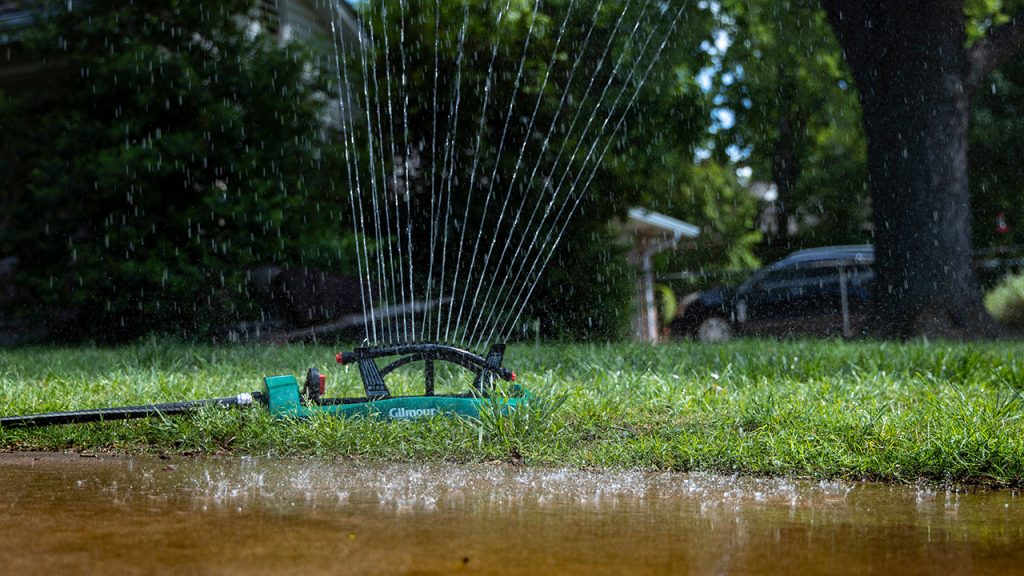
Efficient water usage is crucial not only for maintaining a lush, healthy lawn but also for conserving a valuable natural resource. Here are some water conservation tips that can be integrated into your lawn care routine:
Efficient Watering Techniques
- Time of Day: Watering early in the morning or late afternoon reduces evaporation, allowing more water to reach the soil.
- Soaker Hoses or Drip Irrigation: These systems deliver water directly to the base of plants, reducing wastage and promoting deep watering.
Understanding the Watering Needs of Your Lawn
- Watering Depth: Aim for a watering depth of about 6 inches to encourage deep root growth which, in turn, enhances drought resistance.
- Frequency: Adjust the watering frequency based on weather conditions, ensuring your lawn receives about 1 to 1.5 inches of water per week.
Rainwater Harvesting and Utilization
- Collecting Rainwater: Install rain barrels to collect rainwater, which can be used for watering the lawn and other landscape plants.
- Gutter Downspout: Direct your gutter downspout towards your lawn or garden to make use of natural rainfall.
In Summary
A beautiful, lush lawn is a rewarding sight that reflects the efforts invested in its upkeep. The journey through each season brings its own set of challenges and learning experiences. By following a year-round lawn care routine, you not only enhance the aesthetic appeal of your outdoor space but also contribute to a healthier environment.